



From calcified fixtures to extreme summer heat, Las Vegas homes place unique demands on mechanical systems. That is one reason some homeowners consider a rooftop ac unit when evaluating cooling options.
If you're evaluating cooling options for a home in Las Vegas, Henderson, North Las Vegas, Summerlin, or Spring Valley, understanding how rooftop systems work can make the decision easier. This guide explains the advantages of rooftop units, situations where they make sense, and when to seek professional guidance.
Understanding Advantages of Rooftop AC Units
A rooftop ac unit places the major cooling components in a single cabinet installed on the roof. This design is commonly called a packaged unit because the compressor, condenser coil, and air-handling components are housed together.
Unlike split systems that place equipment in multiple locations, a packaged AC unit keeps everything in one area. This can simplify maintenance access and free up space around the home.
Many Nevada homeowners also appreciate that a rooftop HVAC system keeps equipment away from ground-level traffic, landscaping, and storage areas. For properties with limited yard space, that is a huge benefit.
Rooftop systems are frequently associated with commercial cooling applications, but they are also used on residential properties throughout the Southwest. In the right setting, a packaged HVAC unit can provide effective cooling while reducing the amount of equipment installed around the home.
Common Signs and Situations
A rooftop system is worth discussing when:
- Ground-level equipment is taking up valuable outdoor space.
- Existing ductwork already supports a rooftop HVAC layout.
- The property has limited room around the exterior for additional equipment.
- The current cooling system is nearing replacement age and a different configuration is being considered.
What Las Vegas Homeowners Should Do
Before choosing a rooftop unit, start with a full evaluation of the property.
Roof structure, equipment access, ductwork layout, and cooling requirements all affect whether a rooftop system is a practical option. A system that works well on one property may not be the best choice for another.
Document any concerns with your current equipment. Limited yard space, aging cooling equipment, noise concerns, or plans for future renovations can all influence system selection.
If your current system is struggling to cool the home, schedule an inspection before making replacement decisions. In some situations, AC repair may address the problem without replacing the equipment.
When to Call Anytime
Professional guidance is important when you're comparing cooling system options or planning a replacement project.
A technician can evaluate the existing equipment, inspect the ductwork, review cooling demands, and determine if a rooftop unit is a practical fit for the property. This is also a good time to discuss filter access, service requirements, and long-term maintenance needs, including routine AC filter replacement.
If your current equipment is nearing the end of its service life or you're comparing cooling system layouts for a replacement project, a professional evaluation can determine if a rooftop system is a practical fit for the property.
Schedule with Anytime Today
Choosing the right cooling system starts with understanding how each option fits your property.
Call (725) 237-1727 or schedule service online today. If you're evaluating replacement options and want to learn more about a rooftop unit in Las Vegas, contact us to discuss your project and available AC installation solutions.
Schedule Online(725) 237-1727Hard water scaling and calcified fixtures are common problems in Las Vegas homes, but they are not the only systems that struggle in the desert climate. When temperatures climb into the triple digits, air conditioners work harder and small problems start becoming noticeable.
If your AC is running but not cooling, there is usually an underlying issue affecting airflow, refrigerant levels, or system operation. This guide explains five common reasons an AC unit starts cooling slowly, what warning signs to watch for, and when it is time to call a professional.
Understanding 5 Reasons Your AC Unit Is Cooling Slowly
When an AC is running but not cooling, the system is still operating but something is preventing it from removing heat from the home.
Several components have to work together for cooling to happen. The compressor circulates refrigerant through the system. The evaporator coil absorbs heat from indoor air. The refrigerant charge must be correct for proper heat transfer. Airflow must move freely through the equipment. Even thermostat calibration can affect how the system responds to indoor temperatures.
When one of these problems develops, the AC can run for hours without bringing the house down to the temperature on the thermostat.
Five common causes include:
- Dirty air filters creating airflow restriction.
- Low refrigerant charge caused by a leak.
- A dirty evaporator coil that cannot absorb heat efficiently.
- Thermostat calibration problems.
- Compressor issues that reduce cooling capacity.
Older systems with lower SEER rating equipment can also struggle during periods of extreme summer heat in Las Vegas, Henderson, North Las Vegas, Summerlin, and Spring Valley.
Common Signs and Symptoms
- The AC runs continuously during extreme summer heat but indoor temperatures keep rising.
- The system is running, but the air coming from the vents feels warm or only slightly cool.
- Utility bills increase while the house remains uncomfortable.
What Las Vegas Homeowners Should Do
Start with the simplest checks.
Verify that the thermostat is set to cooling mode and the temperature setting is below the current indoor temperature. Check the air filter and replace it if it is dirty. If it has been a while since your last ac filter replacement, restricted airflow could be contributing to the problem.
Pay attention to what the system is doing. Is the AC blowing warm air? Is the outdoor unit running? Are certain rooms warmer than others? Documenting these symptoms can help speed up diagnosis.
Avoid opening equipment panels or attempting refrigerant repairs. Those issues require specialized tools and training.
If the system continues running without cooling the home properly, professional testing is the next step.
When to Call Anytime
Some cooling problems need immediate attention.
If the AC is running but not cooling after a filter change, if ice is forming on the equipment, or if the system is running all day without reaching the thermostat setting, it is time for a professional inspection.
Problems involving refrigerant charge, compressor operation, electrical components, or evaporator coil performance require specialized diagnostic equipment.
A technician can determine why the system is struggling and recommend the appropriate repair. Sometimes an ac repair is enough to restore cooling. In others, older systems may be approaching the point where ac installation becomes the more practical option.
If you're seeing these warning signs, it's time to call a professional.
Schedule Service with Anytime
If your AC is running but not cooling, don't wait for the problem to get worse during a Las Vegas heat wave.
Contact us today at (725) 237-1727 or schedule service online.
Schedule Online(725) 237-1727A lot of AC problems show up before summer officially arrives in Las Vegas. The unit still turns on, air still comes through the vents, and nothing seems completely broken yet. Then the first real stretch of triple-digit heat hits, and the house suddenly never feels comfortable again.
That pattern shows up every year across Las Vegas, North Las Vegas, Henderson, and nearby communities. Smaller restrictions that stayed hidden during mild spring weather become obvious once afternoon temperatures keep climbing day after day.
Summer AC maintenance helps catch those early warning signs before they turn into mid-season breakdowns during extreme heat.
Schedule Online(725) 237-1727The Early Signs Homeowners Notice First
Most cooling problems start with small changes around the house instead of a complete shutdown.
Early warning signs can include:
- Weak airflow from supply vents
- Rooms cooling unevenly
- Longer recovery times during the afternoon
- The thermostat reading one temperature while the house feels warmer
- Higher electric bills without major thermostat changes
- Warm air coming through certain vents
- Short cycling during hotter parts of the day
Some homes start feeling warmer and slower to recover after sunset even though the thermostat never changes, which is usually when homeowners begin asking why is my ac not cooling.
Dirty coils, thermostat problems, airflow restrictions, and refrigerant loss all become easier to spot once the AC starts spending more time under heavy cooling demand.
Why These Problems Show Up Before Peak Summer
Las Vegas cooling equipment spends spring shifting between cooler mornings and hotter afternoons. That transition period exposes smaller weaknesses before the extreme heat of summer fully arrives.
Dirty filters, clogged coils, refrigerant loss, and airflow restrictions all reduce how well the AC handles rising temperatures.
A dirty evaporator coil can leave the AC not cooling even while the unit continues operating normally. Refrigerant leaks create similar symptoms by reducing how effectively heat is removed from the house. In some homes, evaporator coil services are needed after buildup starts restricting airflow across the coil.
Thermostat issues can create confusing temperature swings too. A thermostat reading the wrong temperature may shut the AC off early or keep it running after the house already feels comfortable. In other homes, thermostat services correct uneven room temperatures that initially looked like larger equipment failures.
Rooms may start feeling heavier and warmer during the afternoon even while the AC continues operating.
Deferred maintenance becomes much harder to ignore once the first major heat spike arrives in Las Vegas. Cooling equipment that seemed fine during mild weather can start struggling once temperatures stay above 100 degrees for several days in a row.
Spring AC maintenance helps identify those smaller failures before they place extra strain on major cooling components during peak summer demand.
What to Do Before the First Major Heat Wave
The best time to schedule service is before the AC starts running nonstop every afternoon. Once peak summer demand arrives across Las Vegas, emergency calls increase quickly and repair schedules fill up fast.
Before the first major heat wave arrives, check for:
- Dirty air filters
- Weak airflow at vents
- Unusual cycling or rattling sounds
- Slow thermostat response
- Ice buildup on refrigerant lines
- Longer cooling recovery times
- Uneven temperatures between rooms
Homeowners asking how often should AC be serviced should plan for annual inspections before summer starts. Las Vegas cooling systems operate under heavy demand for months at a time, especially during extended heat waves.
A professional inspection can identify early signs your AC needs repair before cooling performance drops completely during extreme heat.
If the house already feels warmer every afternoon or takes too long to cool back down at night, now is the time to schedule service instead of waiting for July or August. Dirty coils may require evaporator coil services, while uneven temperatures and cycling problems can sometimes trace back to thermostat services or overdue filter replacement. In some homes, larger AC repair failures are already building inside the system by the time extreme heat arrives.
Book online before peak summer heat arrives or call (725) 237-1727 to schedule AC service with Anytime Plumbing.
Schedule Online(725) 237-1727Las Vegas heat is constant, and in a dry climate like this, some cooling systems perform differently than others. An evaporative cooler uses that dry air to its advantage, creating a different type of cooling that works well in desert conditions. This guide breaks down how it works, where it fits, and what to expect before choosing one for your home.
At Anytime Plumbing, we work with homeowners across Las Vegas, Henderson, North Las Vegas, and Spring Valley who are comparing cooling options and trying to find what fits their home. Understanding how an evaporative cooler works in this climate is the first step in making the right call.
What an Evaporative Cooler Is and How It Works
An evaporative cooler pulls in outside air and passes it through water-saturated pads. As the water evaporates, it lowers the air temperature before it is pushed into the home.
Instead of using refrigerant like a traditional AC system, this setup relies on airflow and moisture to create cooling. It also brings in a steady stream of fresh air, which helps move heat out of the space rather than recirculating it.
Understanding how an evaporative air cooler works comes down to one key factor, evaporation. When water turns into vapor, it absorbs heat, which lowers the temperature of the air moving through the system.
This process works best in a dry climate where evaporation can happen quickly.
Why Evaporative Coolers Work Well in Dry Climates
Evaporative coolers depend on low humidity to perform properly. In a dry environment like Las Vegas, they can cool air efficiently because the air is able to absorb moisture quickly.
In more humid regions, that process slows down, and the cooling effect drops off. That is why evaporative air cooler systems are more common in desert climates.
Here, the dry air allows the system to operate as intended. It can reduce air temperature while also introducing fresh airflow into the home.
This makes evaporative cooling a practical option for homeowners looking at alternatives to traditional systems in a hot, dry climate.
Main Benefits of an Evaporative Cooler
For the right home and conditions, an evaporative cooler offers several practical advantages.
- Lower energy use
These systems use less electricity because they do not rely on compressors or refrigerant cycles.
- Fresh air circulation
Instead of recirculating indoor air, the system continuously brings in outside air, which helps with airflow and ventilation.
- Simpler operation
The system design is more straightforward, with fewer components compared to central AC systems.
- Effective cooling in dry climates
In Las Vegas, the dry air allows the system to cool efficiently when it is set up correctly.
- Alternative to central AC
For some homes, an evaporative cooling system can serve as a lower-cost option compared to full central AC installation.
For homeowners comparing options, this type of system can fit well depending on layout, usage, and expectations.
What Homeowners Should Consider Before Choosing One
An evaporative cooler is not the right fit for every home. It works best when the conditions match the system design.
Maintenance is one factor to consider. Pads need to be cleaned or replaced, and the system needs regular attention to keep it running properly.
Performance can also vary depending on airflow and how the home is set up. Windows or vents often need to be adjusted to allow proper circulation.
It also helps to have a clear understanding of how it compares to traditional systems. Some homeowners start with an evaporative cooler and later transition to AC installation when they want more consistent cooling control.
If a system is already in place and not performing as expected, AC repair or AC maintenance may be the next step instead of replacing it entirely.
Talking through your setup with a professional helps you understand how the system will perform in your home before you commit to it.
Keep Cooling Simple in Las Vegas
An evaporative cooler can work well in a dry climate, but it depends on the home and how the system is used. For some homeowners, it offers a practical way to cool the space with lower energy use and steady airflow.
At Anytime Plumbing, we help homeowners understand their options and choose a system that fits how their home operates in Las Vegas conditions.
Call us today at (725) 237-1727 or Schedule Service Online!
Schedule Online(725) 237-1727In Las Vegas, an AC that is low on refrigerant will not keep up once the heat sets in. You might feel it blowing warmer air, running longer than usual, or struggling to reach the temperature you set.
At Anytime Plumbing, we help homeowners across Las Vegas, Henderson, North Las Vegas, and Spring Valley get to the root of these issues. This guide walks through what AC leak testing is, the signs that point to a problem, and why refrigerant recharge alone is not always the answer.
What AC Leak Testing Is and Why It Matters
Your AC system is sealed, which means refrigerant should not run low under normal conditions. When levels drop, there is almost always a leak somewhere in the system.
AC leak testing is the process of locating that leak before adding refrigerant back into the system. Without that step, a refrigerant recharge only restores cooling for a short time before the problem returns.
Technicians use a combination of tools to find leaks, including pressure testing, dye testing, and in some cases thermal imaging. Small pinhole leaks can be difficult to detect without the right equipment, which is why proper testing matters.
Signs Your AC May Have a Refrigerant Leak
A refrigerant issue does not always show up as a complete breakdown. In many cases, the system keeps running but struggles to keep up.
Common signs include:
- AC blowing warm air instead of cooling
- Longer cooling cycles that never reach the set temperature
- Ice forming on the evaporator coil or refrigerant lines
- Reduced airflow from vents
- Higher energy bills without a clear reason
If you are wondering how do you know if your AC has a refrigerant leak, these are the most common indicators. They point to a system that is running low and working harder than it should.
In Las Vegas heat, even a small leak can quickly turn into a noticeable problem because of the constant demand placed on the system.
What Homeowners Can Check First
Before scheduling service, there are a few basic things you can check safely.
Start with the thermostat to make sure settings are correct and the system is calling for cooling. Then check the air filter. A clogged filter can restrict airflow and cause similar symptoms to a refrigerant issue.
You can also look for obvious airflow restrictions around vents or the outdoor unit. Debris buildup or blocked vents can affect how the system performs.
These steps can rule out simple issues, but they do not replace professional diagnosis. If the problem continues, it is time to have the system checked.
When to Schedule Professional AC Leak Testing
If your system continues to struggle after basic checks, it is time to bring in a technician. This is especially true if the system has already been recharged in the past.
A refrigerant recharge without fixing the leak is not a long-term solution. The system will lose refrigerant again, and repeated recharges can put additional strain on components.
Professional AC leak testing identifies the exact location of the problem so the right repair can be made. From there, refrigerant recharge can be done correctly, restoring proper performance.
Homeowners often ask how long does an AC recharge take, but the timeline depends on whether a leak is present and what needs to be repaired first.
At Anytime Plumbing, we focus on diagnosing the issue correctly so the repair holds up under Las Vegas conditions.
We also handle follow-up services like AC Repair when components have been affected and AC maintenance to help prevent future issues. You can also view all of our Las Vegas service areas to see where we provide support across the region.
Keep Your AC Running Through Las Vegas Heat
A refrigerant leak does not fix itself, and adding refrigerant without finding the source only delays the problem. In extreme heat, that can leave your home without cooling when you need it most.
AC leak testing gives you a clear answer on what is happening inside your system and what it will take to fix it properly. From there, the right repair can be made, and your system can get back to running the way it should.
At Anytime Plumbing, we help homeowners take the guesswork out of cooling issues and provide clear next steps that make sense for the system and the home.
Call us today at (725) 237-1727 or Schedule Service Online!
Schedule Online(725) 237-1727In Las Vegas, hard water is part of daily life. Minerals like calcium and magnesium build up inside your plumbing system, and your water heater takes the biggest hit. Over time, that sediment collects at the bottom of the tank, creating a layer that affects how the system heats water and how long it lasts.
At Anytime Plumbing, we see this buildup every day in homes across Las Vegas, Henderson, North Las Vegas, and Spring Valley. A routine water heater flush helps clear that sediment before it turns into a larger problem. In this guide, you will learn why flushing matters, what signs to watch for, and when to schedule maintenance.
Why Hard Water Makes Water Heater Maintenance More Important
Las Vegas water carries a high mineral content, which leads to fast sediment buildup inside the tank. Each time your water heater runs, those minerals settle and harden, forming a dense layer that sits between the burner and the water.
That buildup forces the system to work harder to heat water. It also traps heat in the tank, which can stress internal components over time. This is why water heater maintenance is not optional in this region. It is part of keeping the system running at its peak.
A water heater flush removes that sediment before it thickens and hardens. Without it, scale continues to build and can start affecting parts like the anode rod, temperature relief valve, and expansion tank.
If you have ever wondered why does a water heater need to be flushed, the answer is simple. In Las Vegas, the mineral content builds up faster than most homeowners expect.
What Happens If You Do Not Flush Your Water Heater
Skipping a flush does not cause immediate failure, but the effects build over time. Sediment collects and begins to interfere with how the system operates.
Here is what homeowners usually notice:
- Reduced heating efficiency
- Longer wait times for hot water
- Inconsistent water temperature
- Rumbling or popping noises from the tank
That rumbling sound comes from water pushing through hardened sediment at the bottom of the tank. It is a clear sign that buildup is already affecting performance.
Left alone, that layer continues to grow. It can overheat the tank, wear out heating elements, and shorten the system’s lifespan. Many homeowners ask what happens if you do not flush your water heater, and the answer is steady decline in performance followed by premature failure.
A routine flush water heater service helps avoid those issues before they turn into repairs.
Signs Your Water Heater May Need Maintenance
Most water heaters do not fail before giving warnings. The signs are usually there if you know what to look for.
Common indicators include:
- Rumbling or banging sounds during heating cycles
- Rust-colored or cloudy hot water
- Hot water running out faster than usual
- Longer recovery times between uses
- A pilot light that struggles to stay lit
These are all signs that sediment buildup is affecting the system. In Las Vegas, that buildup happens faster because of the hard water supply.
Homeowners often ask what are the signs a water heater needs maintenance, and these are the most practical ones. If you notice any of these, it is time to schedule a service.
Regular water heater maintenance helps catch these issues early and keep the system running properly.
When to Schedule a Professional Flush
In most parts of the country, flushing every one to two years may be enough. In Las Vegas, annual service is the safer approach.
Hard water accelerates sediment buildup, which means your system needs more frequent attention. Scheduling a yearly water heater flush keeps the tank clean and prevents long-term damage.
There are also times when you should schedule service sooner:
- If you hear new noises from the tank
- If hot water output drops suddenly
- If water appears discolored
- If the system has not been serviced in over a year
Many homeowners wonder how often should you flush a water heater in this climate. Once a year is a solid baseline, but high usage or older systems may need more frequent checks.
Professional service goes beyond draining the tank. It includes inspecting the anode rod, checking for leaks, testing the temperature relief valve, and making sure all components are working as expected.
For homeowners asking does flushing a water heater help it last longer, the answer is yes. Removing sediment reduces strain and helps extend the life of the system.
Keep Your Water Heater Running in Las Vegas
In Las Vegas, sediment buildup is not a minor issue. It is a constant factor that affects how your water heater performs. Regular service keeps the system running properly, reduces wear, and helps avoid unexpected breakdowns.
Working with Anytime Plumbing means your system is serviced by a local team that understands how hard water impacts your home. A consistent water heater flush schedule is one of the simplest ways to protect your investment and keep hot water reliable throughout the year.
Call us today at (725) 237-1727 or Schedule Service Online!
Schedule Online(725) 237-1727
Hot air coming out of your vents in the middle of a Las Vegas summer means something inside the system is not doing its job. It could be low refrigerant, restricted airflow, or a component that has stopped working.
We see this across Las Vegas, Henderson, North Las Vegas, and Spring Valley all the time at Anytime Plumbing. Some causes are simple and can be checked right away. Others point to a system that needs a proper diagnosis before it gets worse.
Common Reasons Your AC Is Blowing Hot Air
When your system starts pushing warm air, it is normally tied to a handful of common issues. Some are simple, while others point to a larger repair need.
Here are the most frequent causes:
- Thermostat issues
If the thermostat is set incorrectly or not calibrated, the system will not be cool properly.
- Low refrigerant
Low refrigerant means there is a leak somewhere in the system. When levels drop, the AC cannot remove heat effectively, so the air coming through the vents starts to feel warmer. This is one of the most common reasons homeowners deal with cooling loss.
- Dirty air filter
A clogged air filter restricts airflow and can cause the system to overheat or shut down cooling. When air cannot move properly through the system, it affects how heat is removed and can lead to warm air coming from the vents.
- Frozen evaporator coils
When airflow is restricted or refrigerant is low, moisture on the coils can freeze. This blocks the system from cooling properly and can cause it to blow warm air instead.
- Electrical or capacitor problems
If key electrical components fail, the system may still run, but it will not cool the air.
- Compressor failure
The compressor moves refrigerant through the system. If it stops working, the AC cannot transfer heat, which leads to warm air at the vents.
If you are also asking why is my ac not cooling, these are the same core issues that typically cause both problems.
What You Can Check Before Calling for Service
Before scheduling a repair, there are a few basic things you can check safely. These steps rule out simple problems.
- Check thermostat settings
Make sure it is set to cooling mode and the temperature is lower than the current room temperature. If the settings are off, the system will run without cooling.
- Replace the air filter
A dirty filter is one of the most common causes of airflow problems. When airflow is restricted, the system cannot remove heat properly, which can lead to warm air coming from the vents.
- Check the breaker
If the outdoor unit has lost power, the indoor system may still run, but no cooling will happen.
- Make sure vents are open
Closed or blocked vents reduce airflow and can affect how the system performs throughout the home.
If one of these fixes the issue, the system should return to normal. If not, the problem likely needs a closer look.
Signs the Problem Is More Serious
Some issues go beyond basic troubleshooting and point to a system that needs repair.
Watch for these warning signs:
- The AC is running but not cooling the house
- Warm air continues after basic checks
- Ice is visible on the unit or refrigerant lines
- Airflow feels weak or inconsistent
- The system cycles on and off repeatedly
- Unusual noises during operation
These signs point to a system that is running under strain and not removing heat the way it should. In Las Vegas heat, that added strain can lead to more damage if it is not addressed.
When to Schedule Professional AC Repair
If your AC is still blowing hot air after basic checks, it is time to schedule service. Ongoing cooling problems require a proper diagnosis to identify the exact cause.
A technician will inspect the system, check refrigerant levels, test components, and confirm where the issue is coming from. This step matters because guessing at the problem often leads to repeat issues.
At Anytime Plumbing, we focus on getting a clear answer first so the repair solves the problem.
We handle follow-up services like AC repair when components fail, AC maintenance to help prevent future issues, and AC installation if the system has reached the end of its lifespan. You can also explore our full air conditioning services to see all available options.
Fix Cooling Problems Before They Get Worse
If your AC is blowing hot air, it is not something that improves on its own. Waiting adds more strain to the system and increases the chance of additional damage.
Acting early helps limit repairs, restore cooling faster, and keeps your system running through peak summer demand.
At Anytime Plumbing, we help homeowners move from guesswork to clear answers so the system can get back to doing what it is supposed to do.
Call us today at (725) 237-1727 or Schedule Service Online!
Schedule Online(725) 237-1727Las Vegas summers are relentless. Once temperatures settle into triple digits and push past 110 degrees, air conditioning systems run almost nonstop. Small issues that seemed harmless in spring can quickly turn into breakdowns when extreme heat exposes weak components.
Recognizing the signs your AC needs a tune up gives you time to address minor problems before peak demand arrives. In Las Vegas, where cooling season stretches longer than most cities and often runs into October, early detection protects your system and your schedule.
If your system has not been serviced in over a year, or if you have noticed changes in performance, it may be time to take action.
Weak Airflow From Vents
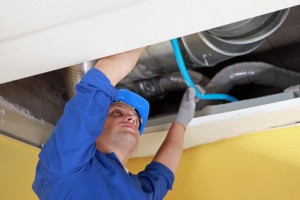
One of the most common AC maintenance signs is weak airflow. You may feel air coming from the vents, but it does not seem strong enough to cool the room effectively.
Common causes include:
- Dirty or clogged air filters
- Airflow restriction in ductwork
- Blower motor issues
- Condenser coil buildup
Las Vegas dust storms and wind events push fine debris into outdoor equipment. Over time, buildup restricts airflow and increases strain on internal components. When summer heat strain sets in, minor airflow issues can quickly reduce cooling output.
Weak airflow is often one of the first signs your AC needs a tune up before peak heat arrives.
Uneven Cooling Throughout Your Home
Hot spots in certain rooms while others feel comfortable can signal imbalance.
Possible causes include:
- Thermostat calibration issues
- Refrigerant imbalance
- Blocked ducts
- Partial airflow restriction
If your AC is not cooling properly in specific zones, the issue may be mechanical rather than structural. In Las Vegas, long cooling seasons amplify minor performance issues. Uneven cooling in April can become major discomfort in July.
Addressing these early warning signs helps avoid system overload during sustained triple-digit temperatures.
Unusual Noises From the Outdoor Unit
Your condenser should operate with a steady, consistent sound. New or unusual noises deserve attention.
Listen for:
- Clicking when the system starts
- Buzzing or humming
- Rattling panels
- Grinding sounds
These noises may indicate capacitor failure, loose components, or early-stage mechanical wear. Extreme heat places added stress on electrical components, especially when outdoor temperatures exceed 110 degrees for extended periods.
Ignoring unusual noises often leads to breakdowns during the busiest part of the Las Vegas cooling season.
Rising Energy Bills Without Usage Change
If your energy bills are climbing but your usage habits remain the same, your system may be working harder than necessary.
Potential causes include:
- Low refrigerant levels
- Dirty condenser coil
- Airflow restriction
- Aging electrical components
Rising energy bills are often a subtle indicator. In Las Vegas, where systems operate for longer months of the year, efficiency losses compound quickly.
Preventative AC service helps identify these issues before they impact reliability.
Your AC Runs Constantly in Mild Weather
When outside temperatures are moderate but your AC runs continuously, it suggests underlying strain.
This can result from:
- Refrigerant imbalance
- Thermostat miscalibration
- Early component wear
- Restricted airflow
If your system struggles before summer officially arrives, it is one of the clearest signs your AC needs a tune up.
Waiting until peak demand hits can mean longer scheduling delays. Booking early ensures your system is prepared before consistent triple-digit heat becomes the norm.
When to Schedule an AC Tune Up in Las Vegas
Timing matters in the desert.
Schedule service:
- Before temperatures exceed consistent triple digits
- If your system is 8 to 10 years old
- If it has been more than 12 months since last service
- Before peak summer demand fills service calendars
An AC tune up Las Vegas homeowners schedule in spring helps correct small issues before they escalate. You can learn more about AC maintenance in Las Vegas and how seasonal inspections reduce risk.
If your system begins showing more serious symptoms, AC repair services are available to restore performance quickly.
If inspection reveals aging equipment that may not survive another 110-degree season, review financing options to upgrade before extreme heat hits.
If your system stops responding unexpectedly before your appointment, you can review how to reset your air conditioning unit while waiting for professional evaluation.
Schedule Online(725) 237-1727As residents of the Las Vegas area, we’re pretty familiar with the concept of gambling, to say the least. When it comes to the tourists hitting the strip, oftentimes they don’t realize there is no such thing as a truly safe bet.
However, once you leave the confines of the casinos where the house always wins, there are a few safe bets in life. Thankfully, one such safe bet is upgrading your HVAC system to a more energy efficient one.
While there is an upfront cost, in the long run, choosing a more efficient option will leave you cooler, happier and with a little bit more cash in your wallet.

Instead of Red or Black, Choose Green
The first benefit of upgrading your HVAC system comes to our environment. Humans have a massive impact on our planet, consuming tons of natural resources and energy and helping to emit greenhouse gasses.
In our residences, few things use more energy than our air conditioners, especially in Las Vegas, where we get a lot of use out of our systems.
Not only does climate control take up a lot of energy but a lot of those resources are also wasted when the systems on when you’re not home. In addition, air conditioners make up a large part of our carbon footprint, emitting gasses as part of the process of cooling.
Big cities can have so much air conditioning that the hot air that is a byproduct of cooling can actually create hot zones in the city and alter weather patterns. Upgrading your unit helps reduce your impact on these problems.

You Don’t Need to Go All-In to Go Green
Sometimes, there is a thought that going green and upgrading has to cost you a ton of money. On the contrary, this choice can actually help save you money in a few key ways.
- There are many programs, often offered by manufacturers and state and local governments to incentivize customers to make energy efficient choices. While these programs rotate regularly, an expert at Anytime Plumbing, Inc can help you find the best deal or rebate for your upgrade.
- Older systems not only use more energy, but they also waste a ton of energy as well. There is a measurement called AFUE which stands for the annual fuel utilization efficiency. It measures how much of the energy that your HVAC system uses that goes wasted. Older systems can have a score of 70 or lower, meaning they waste at least 30% of the energy that goes into it. New systems have scores of 93 or above, cutting your energy waste by 400%. The savings on your energy bill are evident right away.

Your House Efficiency Always Wins
It’s hard to avoid the fact that it’s hot in Vegas. After all, we are one of the most air-conditioned cities in the country because we face so much hot weather. That means that climate-controlled comfort is a big deal to us.
Newer systems will provide more accurate and consistent cooling than older systems, due in large part to new technology. Newer HVAC systems use variable speed engines which get your house to the desired temperature more quickly and keep it there for the long term.
Your house will always win when you upgrade. If you have any questions or concerns about upgrading your system, feel free to contact an expert at Anytime Plumbing, Inc by calling at (725) 237-1727 and we’ll be happy to help.
Schedule Online(725) 237-1727Summer in the desert isn’t quite like other parts of the USA, especially when you’re talking about a city like Las Vegas.
But one thing is going to remain true; it’s going to get dry, and it’s going to get hot, and you’re not going to want to live with it for the several months it will last.
Fortunately, if you have air conditioning in your home, you don’t have to. But summer means that your AC unit is going to kick into high gear for much more regular intervals and longer periods.
If you want to make sure it keeps you cool during the summer, we’ve got some maintenance tips you should follow.
Change or Clean Your Filter
This should go without saying, but we’ll repeat it because of how important it is.
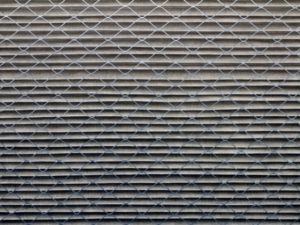
Your AC’s filter both maintains the efficiency of your AC so that you don’t pay higher bills than you need to, but it also protects you.
It traps and holds particles and other contaminants that would otherwise just be circulated throughout your home, like pollens that might cause allergies.
You should be changing your filter every three months.
Or, if you’re feeling more environmental and economical, consider buying a more expensive, but ultimately more cost effective permanent filter.
Permanent filters don’t have to be thrown out, but they do need to be cleaned on a regular basis.
Clean Your Condenser Unit
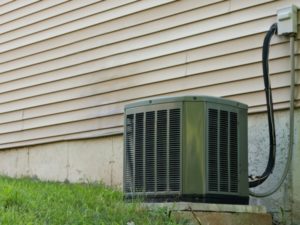
For modern, centralized AC systems, the condenser is the large unit that is located just outside the home.
Its primary function is draw in air from outside and cool it before pumping it throughout the home.
Because of this function, the condenser has been built with a lot of open space to promote easy, efficient air flow.
But that means that condensers can easily admit other mass, like the detritus that comes from leaves.
If you have plants or trees near your condenser, allowing dead plant matter to accumulate in the unit can affect the performance.
Take the time to clean this out before the cooling season kicks in.
Be Efficient With Thermostat Usage
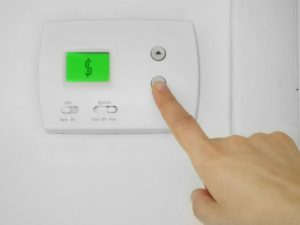
Do you have an older thermostat? If you want to pay less on your cooling bills, you may want to consider upgrading to a new model.
One of the reasons for this is often that older thermostats are not as accurate as newer ones, so you may be paying for more cooling than you need.
The other big advantage only happens if you correctly use a new thermostat.
New thermostats do more than just turn on at a specific temperature and keep the AC on.
They can be programmed to automatically adjust temperature at certain times of the day or week.
You can have the thermostat keep the AC inactive during the day if the family’s not home, then automatically cool down the home just as residents start arriving and actually need it.
Schedule Online(725) 237-1727If you live in Nevada, you’re aware of how hot it gets during summertime. Living without an AC system in your home is a controversial decision simply because of how high the temperature gets. However, even if you don’t have an AC in your home, there are several eco-efficient options you can try as an alternative.

Open the Windows at Night
When the sun goes down, and you’re getting ready for bed, chances are the temperature outside has cooled down significantly. To take advantage of this cool air, open your windows and create a cross breeze.
The cool air will permeate your home, cooling it down and providing a comfortable climate to sleep in. Letting your home cool down at night will also prepare you for the day ahead. One piece of advice is to ensure that you get up early to close the windows the next day before the temperature starts to rise.

Close your Blinds and Curtains
Once you have closed the windows and trapped in some of that cool night air, close your blinds and curtains too. This will prevent heat gain and keep your home cool throughout the day. The Department of Energy estimates that simply closing your blinds reduces heat gain by about 45 percent. Closing curtains is also a good idea since there are no gaps like with blinds.
It’s estimated that closing your curtains reduces heat gain by 65 percent. For the most effective option, we recommend closing your blinds and curtains. The color of your window dressings also has a huge impact on the temperature inside your home. Light colored curtains and blinds are preferred over dark colors because light colors reflect heat while dark colors absorb it.

Keep the Door Closed
One of the worst culprits of letting heat into your home is opening and closing the door.
Throughout the day, we enter and exit our home multiple times, however, on hot summer days, we need to be more strategic about how often we open and close the door.
If you have kids that are playing outside, let them know how important it is to reduce the amount of time they enter and exit the house. It’s also important to try and be more strategic with your chores.
For example, if you are carrying grocery bags to the house, try carrying them all to the front door and then bringing them all in at once in one trip. This means you’ll only have to open the door once and you will help keep your home cool in the process.
For more information on eco-efficient cooling methods or installing or replacing an AC unit, call Anytime Plumbing, Inc in Las Vegas, NV today at (725) 237-1727.
Schedule Online(725) 237-1727Your home’s thermostat is the single most important part of living comfortably. After all, you don’t want to constantly be too warm or too cold. Without a working thermostat, you may find yourself reaching for a jacket just a bit too often, or sweating when all you want to do is watch television.
With that in mind, it’s important to know the signs of a potentially malfunctioning thermostat. Just because it feels a bit too warm doesn’t mean it is, you may just be hot that day.
The following five signs can mean that your thermostat is on the fritz and may require professional thermostat repair in order to go back to working order.
1) The furnace cycles too frequently.
It’s easy to ignore the sound of the air conditioning unit switching on and off, after all, it’s a common sound in the home. However, if it seems to be happening far too frequently, that can be a sign that the thermostat has a problem. Not only does this impact your level of comfort, but it can also send the power bill through the roof.
It’s important to pay attention and inspect the thermostat if you begin to notice an unusual amount of activity. The first thing you should do is check the fan setting, if it’s set to ‘auto,’ this means the unit should only activate in an attempt to maintain a consistent temperature within the Las Vegas home. However, clogs within the furnace or an open window somewhere within the home can cause the unit to use more power than necessary.
On the other hand, if nothing else in the home is amiss and the unit still cycles frequently, it could signal a problem with the thermostat itself.
2) Flickering Display
The majority of thermostats are electronic. No doubt you’re familiar with the dim blue glow of the thermostat’s display as you make your way to the kitchen for a glass of water. However, if you notice a flicker from the display, that can signal a problem. Many thermostats are powered by a hardwired connection into the home’s power supply. In this case, a flicker can indicate a short or a loose wire, which may impact the thermostat’s ability to match the temperature and perform properly.
However, if you have a programmable thermostat that requires an external power source, such as batteries, then a flickering may mean the batteries are running out of juice. The fix may be as simple as replacing the batteries, but if that fails, then you should seek out professional assistance. It’s important that you know what to expect from a properly functioning thermostat so that you can identify problems when they arise.
3) The thermostat doesn’t activate.
When you adjust the temperature in your home, you should hear a click within a few seconds of making the change. That click is the sound of the HVAC unit powering up to adjust the internal temperature. However, if this doesn’t happen, then it can mean the thermostat isn’t feeding the right information to the system. There are a number of reasons this may happen.
The first is that there may be a short in the unit as mentioned above. The second is that the temperature device may be malfunctioning, if the thermostat cannot detect the internal temperature of a home, then it won’t be able to send the signal to the HVAC unit to adjust. Mechanical thermostats can run into trouble if they become too dusty, so a can of compressed air and a wet rag can solve a number of potential problems. A digital thermostat, on the other hand, requires a bit more finesse and a knowledgeable touch.
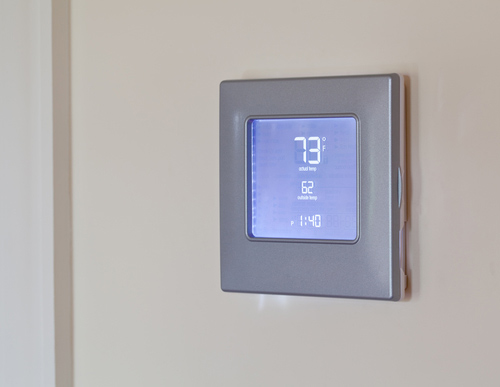
4) Internal Damage
Depending on the age of your thermostat, it may be damaged internally.
Older Las Vegas homes often have mechanical thermostats that may contain plastic parts, particularly those that use mercury to determine the home’s temperature. Carefully remove the cover and look inside the thermostat, if there is obvious damage, then it may be time to replace the unit.
Even if you do not see any damage, mechanical thermostats are not as effective as a programmable thermostat by switching yours for a newer model, you may be able to improve the efficiency of your HVAC unit and cut down on heating and cooling costs within your home.
Look for loose wires or burn damage within digital thermostats. If a wire has shorted out, it can affect the functionality of the unit. These are more difficult to repair and should not be attempted on your own, instead, call your local thermostat repair company to get the job done correctly.
5) Flip the breakers off, then back on.
Thermostats are computers, and like many problems can be tested simply by turning them off and back on. However, if you power cycle the thermostat and proper functionality does not return, it can indicate a serious problem within the unit. After checking for other signs of damage, try adjusting the temperature once more. If no change in the temperature of your home can be detected, then it’s a sign that your thermostat has gone bad and should be replaced.
Don’t sit around and be uncomfortable. If your Las Vegas, NV home's thermostat isn’t working properly, get it replaced by calling Anytime Plumbing, Inc at (725) 237-1727.
Schedule Online(725) 237-1727