


Winter is fast approaching. Can you rely on your heating system to function properly? Will it even turn on after sitting idle all summer long? If your heating system won’t turn on when you need it, there are things you can do on your own to get it started. Don’t call in for HVAC service yet. Troubleshoot it first, but be sure to switch off the system breaker and close the gas valve before you do any work.
Is the Pilot Light Out?
One reason why your heating system won’t start is that the pilot light is off. Light it now and check the flame color. The flame should be blue, not yellow. A yellow flame means that the pilot opening is dirty.
A pilot light that goes out even after you light it is a sign that the sensor is dirty as well. You can disassemble both and rinse them out.
If the pilot flame does not reach the bottom of the thermocouple switch, call for HVAC service. Hire a quality heating service company if you don’t feel comfortable doing this yourself.
Check The Power
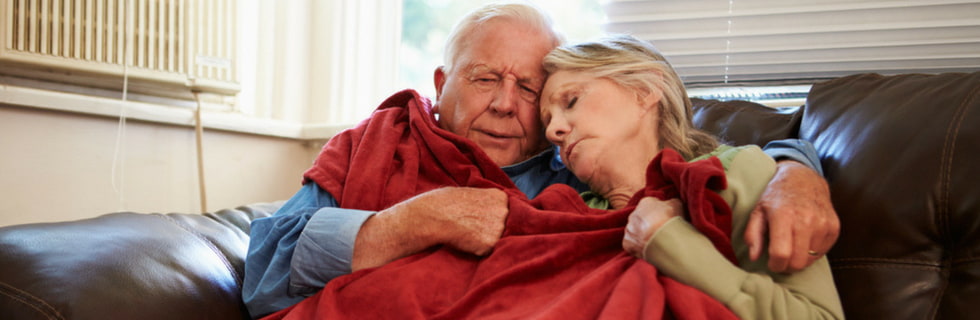
You might think that a gas furnace doesn’t need electricity to run. It does. The part that kickstarts your furnace is powered by electricity. It turns the gas valve on and off. Check to see if you there is power in your home. Check the furnace breaker to ensure that it is on. Check the power cord for any tears. Check to the control board for any short circuit.
It Could Be the Thermocouple
The thermocouple is a safety device in your heating system. It will automatically shut off the gas if the pilot light is not on. If the thermocouple is dirty, it cannot detect the pilot light. Remove the thermocouple to clean it. Eventually, thermocouples will wear out with time, so if you haven’t had your heating system checked in a while, the thermocouple might need to be replaced.
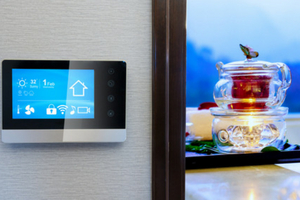
Thermostat Batteries Are Dead
Do you remember when was the last time you changed the batteries in the thermostat? The thermostat is what tells your heating system to turn on.
Replace the old batteries with new ones. Set the thermostat to the “Heat” position and the temperature higher than the temperature inside. Ensure that the thermostat is set to "On."
Check Your Gas Supply
Turn the power off and make sure the gas valve turned up all the way. If no gas comes in, your system won’t turn on. When working with gas, always be cautious. Leave the house immediately and call an HVAC expert or your utility company if you smell gas.
Check the Condensate Pan
If the reservoir to the condensate pan in the system is full of water, empty it out. When this happens, your heating system will not turn on. Clean it now and check the condensate pipe for any clogs. Note that emptying out the reservoir into the condensate pan will only fix the problem temporarily.
It will not resolve the larger issue that is causing the reservoir to fill up. Another reason why your heating system won’t start is that the condensate pump has failed or it has blockages that prevent the water from draining.
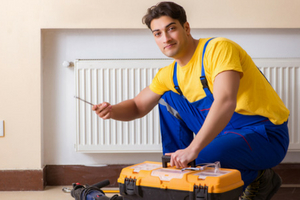
Yearly Maintenance Is Important
Once a year maintenance of your heating system by a licensed expert will help to prevent unexpected issues and system failure. If your heating system has not received any maintenance all year, it will be dirty inside.
A dirty filter in your system will distribute dirt and other contaminants into your home. A dirty flame sensor will not allow your heating system to light the burners. It is recommended that the filter in your heating system is cleaned or replaced regularly in order to prevent system issues from occurring.
If all else fails, call the experts at Anytime Plumbing, Inc in Las Vegas, NV for emergency service. In minutes, a trained technician will be at your home to provide quality heating services you can rely on.
Schedule Online(725) 237-1727Your home’s thermostat is the single most important part of living comfortably. After all, you don’t want to constantly be too warm or too cold. Without a working thermostat, you may find yourself reaching for a jacket just a bit too often, or sweating when all you want to do is watch television.
With that in mind, it’s important to know the signs of a potentially malfunctioning thermostat. Just because it feels a bit too warm doesn’t mean it is, you may just be hot that day.
The following five signs can mean that your thermostat is on the fritz and may require professional thermostat repair in order to go back to working order.
1) The furnace cycles too frequently.
It’s easy to ignore the sound of the air conditioning unit switching on and off, after all, it’s a common sound in the home. However, if it seems to be happening far too frequently, that can be a sign that the thermostat has a problem. Not only does this impact your level of comfort, but it can also send the power bill through the roof.
It’s important to pay attention and inspect the thermostat if you begin to notice an unusual amount of activity. The first thing you should do is check the fan setting, if it’s set to ‘auto,’ this means the unit should only activate in an attempt to maintain a consistent temperature within the Las Vegas home. However, clogs within the furnace or an open window somewhere within the home can cause the unit to use more power than necessary.
On the other hand, if nothing else in the home is amiss and the unit still cycles frequently, it could signal a problem with the thermostat itself.
2) Flickering Display
The majority of thermostats are electronic. No doubt you’re familiar with the dim blue glow of the thermostat’s display as you make your way to the kitchen for a glass of water. However, if you notice a flicker from the display, that can signal a problem. Many thermostats are powered by a hardwired connection into the home’s power supply. In this case, a flicker can indicate a short or a loose wire, which may impact the thermostat’s ability to match the temperature and perform properly.
However, if you have a programmable thermostat that requires an external power source, such as batteries, then a flickering may mean the batteries are running out of juice. The fix may be as simple as replacing the batteries, but if that fails, then you should seek out professional assistance. It’s important that you know what to expect from a properly functioning thermostat so that you can identify problems when they arise.
3) The thermostat doesn’t activate.
When you adjust the temperature in your home, you should hear a click within a few seconds of making the change. That click is the sound of the HVAC unit powering up to adjust the internal temperature. However, if this doesn’t happen, then it can mean the thermostat isn’t feeding the right information to the system. There are a number of reasons this may happen.
The first is that there may be a short in the unit as mentioned above. The second is that the temperature device may be malfunctioning, if the thermostat cannot detect the internal temperature of a home, then it won’t be able to send the signal to the HVAC unit to adjust. Mechanical thermostats can run into trouble if they become too dusty, so a can of compressed air and a wet rag can solve a number of potential problems. A digital thermostat, on the other hand, requires a bit more finesse and a knowledgeable touch.
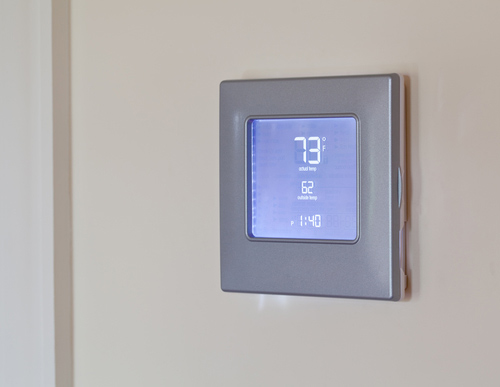
4) Internal Damage
Depending on the age of your thermostat, it may be damaged internally.
Older Las Vegas homes often have mechanical thermostats that may contain plastic parts, particularly those that use mercury to determine the home’s temperature. Carefully remove the cover and look inside the thermostat, if there is obvious damage, then it may be time to replace the unit.
Even if you do not see any damage, mechanical thermostats are not as effective as a programmable thermostat by switching yours for a newer model, you may be able to improve the efficiency of your HVAC unit and cut down on heating and cooling costs within your home.
Look for loose wires or burn damage within digital thermostats. If a wire has shorted out, it can affect the functionality of the unit. These are more difficult to repair and should not be attempted on your own, instead, call your local thermostat repair company to get the job done correctly.
5) Flip the breakers off, then back on.
Thermostats are computers, and like many problems can be tested simply by turning them off and back on. However, if you power cycle the thermostat and proper functionality does not return, it can indicate a serious problem within the unit. After checking for other signs of damage, try adjusting the temperature once more. If no change in the temperature of your home can be detected, then it’s a sign that your thermostat has gone bad and should be replaced.
Don’t sit around and be uncomfortable. If your Las Vegas, NV home's thermostat isn’t working properly, get it replaced by calling Anytime Plumbing, Inc at (725) 237-1727.
Schedule Online(725) 237-17273 Reasons Why Your Heater is Blowing Cold Air
It is never a good sign if your heater is emitting cold air. This problem can cause discomfort and frustration during the cold winter months, especially if it is frequent. If you notice a change in the temperature of the air your heater is blowing, troubleshoot with these simple steps.
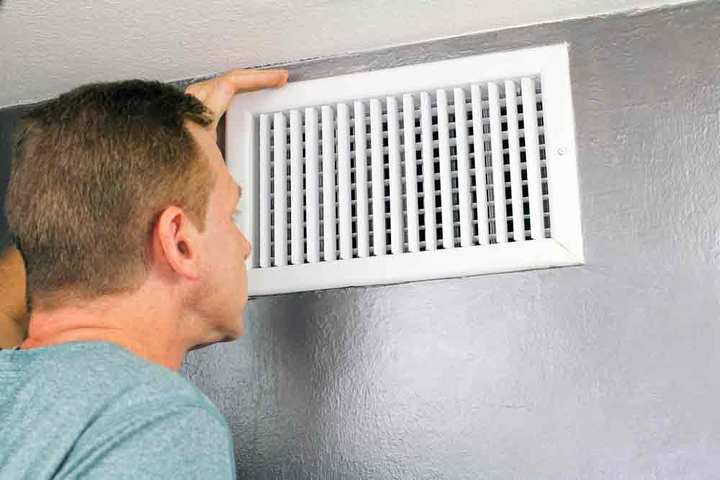
1. It may not be a mechanical problem.
Usually, Las Vegas area HVAC technicians will first ask you if you've had cold air coming out of your heater during uncommonly frigid or snowy weather. This is because a common problem with your heater is, well, that there is no problem at all. Heaters simply take more time to come up to the desired temperature when it is very cold. The oil furnace or heater may take even longer to heat up a home if insulation is poor. Older furnaces also take longer to heat up.
It may seem like a given, but in these situations always check that someone else in the home hasn't simply adjusted the thermostat to a lower temperature. Your heater may just work harder during cold bouts and need to be readjusted to a more tolerable setting. Secure any gaps under doors leading to the outside to prevent hot air from escaping, and invest in thermal curtains if needed.
Another easy fix is replacing the batteries in your thermostat. If the batteries are close to dying, your thermostat can go haywire and transmit false temperature instructions to your heater. Double check that the batteries are inserted correctly.
2. Leaks in Ducts
A leak in the heat ducts of your Las Vegas home can cause your heater to blow cold air. In this situation, the warmth from your heater is drawn out of the hole or tear and into the empty cold space where your ducts are located. You'll continue to lose heat this way. Also, a leak of very hot hair in a dry and cluttered space can cause other potential hazards and even fires in extreme cases.
You will need to patch up the leak in your duct if this is the problem. Ducts are located either in your attic or basement. Take caution when walking in your attic while checking for leaks to avoid breaking through the drywall of your ceiling. Feel around for bursts or pockets of hot air until you find the source of the leak. You can repair the leak with inexpensive sealants and special kinds of tape. Consult your local hardware store or HVAC specialist for more information.

3. Check heat sources.
If you're still uncertain as to why your heater is blowing cold air, the problem may be more complex. Your oil or gas furnace could be deprived of a heat source that you will need to restore.
With an oil furnace, your tank may just be out of oil. Make sure it has fuel.
The oil filter could also be clogged, which would block the fuel from reaching your furnace. To change it, first turn the furnace off. You must close the valve above the oil catch, then gently dislodge the oil catch by unscrewing the bolt on top.
If the filter is dark and filthy with dirt, unscrew the bolt at the bottom of the container (this screw holds it in place) and remove the filter. Wipe the container clean and simply replace the filter with a new one. Turn the oil valve back on. You should also check around the area of your furnace for leaks and spills. You still have to release the air that made its way inside the heater's burner while the oil filter was clogged.
Turn your heater on, then unscrew the release valve (it is recommended that you place something underneath the valve to catch the excess oil). Let your burner run until only oil is spewing out of the release valve and no air remains inside. Tighten the release valve to its original position.
If you have a gas heater, your pilot light is probably out. This is a common problem with an easy fix. It is very important to check for a gas leak before you try to ignite the pilot light. If you smell gas, call the fire department immediately.
First, check to see if the pilot light is burning. If there is no flame, turn the gas off. Put the thermostat on its lowest setting. Set the gas knob to pilot and press down the ignition button. For newer models you will simply set the heater back to the "On" setting. Wait until you hear the pilot light "whoosh" back on.
If your gas heater is older, you will likely need to ignite the flame manually with a barbecue lighter. Hold down on the gas button while holding the lighter over the pilot light burner. This step is easier to do with someone else's help. Once the flame ignites, continue holding down the gas button. This lets the heater acclimate to the flame and prevents the gas from being shut off. After a minute or two, let go. Set the gas back to the "On" Position.
If cold air is still coming out of your heater or if you're unsure about how to perform the above steps, Anytime Plumbing, Inc is always available in the Las Vegas, NV area to get your heater back up and running. Call them at (725) 237-1727 for all of your HVAC repair needs!
Schedule Online(725) 237-1727Being conscious of the thermostat settings in your home will ensure that you are paying the absolute least possible when your utility bills come rolling in. Even a difference of a couple degrees will have a huge impact on your energy consumption throughout the year.
To make this process as easy as possible, call your local HVAC company and ask to have a new programmable thermostat installed. The technician will gladly show you how to operate the system and set the temperature to exactly what and when you need it to.
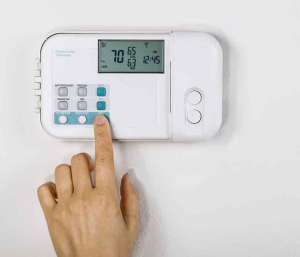
Summer Thermostat Setting
The hottest time of the year means you will most likely be spending quite a lot of time indoors. Rather than crank the air conditioning so it is like a freezer box inside, set the thermostat to 77-79 degrees, and then turn on some ceiling fans. The circulated air will feel much cooler than it actually is, allowing you to be quite comfortable without the need to drain huge amounts of energy to keep the interior cool.
Fall Thermostat Setting
When the fall season approaches, no need to worry about making any adjustments at all to your thermostat. The few weeks after summer you may actually get some days of extreme heat, so it is a good thing the cool settings are still in place. keep the thermostat as is until the weather takes a turn for the cold. When you reach the end of fall, you will want to move the switch to heat and set the thermostat to 68 degrees.
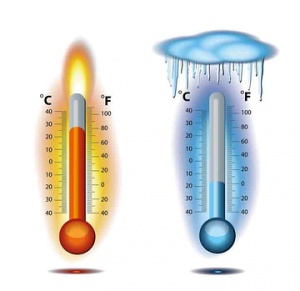
Winter Thermostat Setting
Now that winter is here, make sure your thermostat is in the heat setting at reading 67-69 degrees. You can save even more money by reducing the temperature to 66 at night while you sleep. Being under all those blankets, sheets, and comforter, you will be as warm as you need for the evening. By morning the programmable thermostat will kick back to 69 and have the house nice and comfortable for you.
Spring Thermostat Setting
When spring approaches, leave the heat setting as is because you will experience some chilly days all the way through spring. Some mornings may still have frost on the windows in certain parts of the country. Once the heat of spring arrives, you can go back to the cool setting and raise the temperature reading to 78 degrees.
If you're ever experiencing trouble with your Las Vegas cooling system, call Anytime Plumbing, Inc at (725) 237-1727!
Benefits of a Programmable Thermostat Upgrade
A home must be properly heated and cooled in order for it to be inhabitable. Heating and cooling a house also helps protect the home's infrastructure and avoid problems such as pipes that may crack if ice collects inside. Most people use a thermostat in order to accomplish this task in their home. Thermostats come in both traditional and modern forms. Installing a new wi-fi thermostat in place of an older model thermostat can help many homeowners save money on their energy bills. Doing so can also help them have a home that meets their heating and cooling needs very precisely.
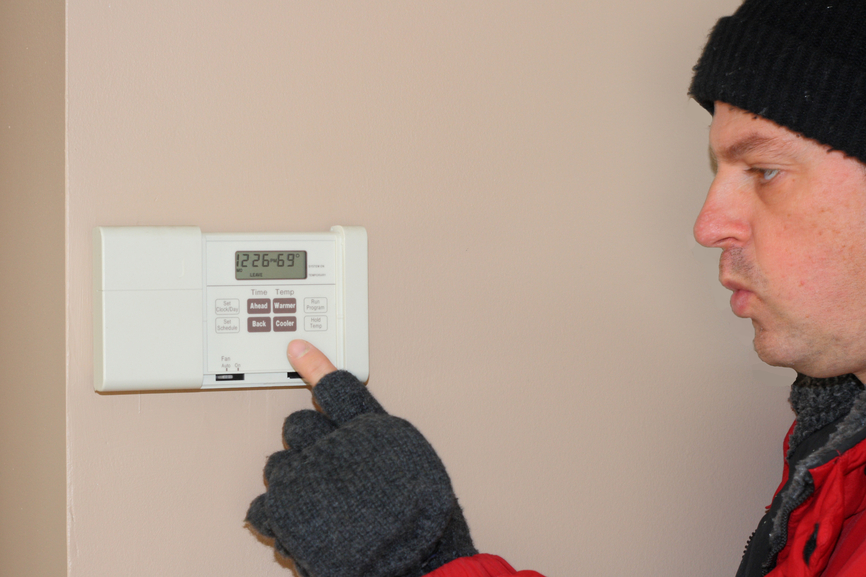
What a Wi-Fi Thermostat Can do For You
A wi-fi thermostat is a specially designed thermostat that uses the latest in modern smart technology. Unlike standard thermostats, a wi-fi thermostat is not just a simple control panel that does not react to a user's needs or patterns. A wi-fi thermostat is essentially a type of computer that allows the user to make careful adjustments to the heating and cooling systems of their house.
The thermostat can be controlled in various ways. The user may set the desired temp by standing in front of it and adjusting it directly just as one would do with a standard thermostat. However, unlike a standard thermostat, the user can also control the wi-fi thermostat when not home. People can set the wi-fi thermostat using a computer or smartphone when on the road or from work. They can easily program it to start at a certain time of day and then shut off at other times. A homeowner can even leave their home to go on a weekend trip and have the cooling mechanism start an hour before they intend to come back.
Saving Money With a Wi-Fi Thermostat
Controlling the thermostat directly from anywhere in the country or even the world can lead to precise control of heating and cooling costs. This can help people save money by not heating or cooling their homes when they aren't home. Many wi-fi thermostats are programmed to learn to understand a user's habits.
The kind of smart technology means that the wi-fi thermostat will pick up on the user's heating and cooling needs. As a result, the wi-fi thermostat will learn about their habits directly and then adjust the home's heating and cooling systems accordingly to help the save money without any effort on their part.
Is the varying temperature in your Las Vegas home making you consider a thermostat installation? Call Anytime Plumbing, Inc today at (725) 237-1727 for top quality installation services.
Schedule Online(725) 237-1727